The Gordon family’s NICU journey — and the Ronald McDonald House Family Room that helped carry them through
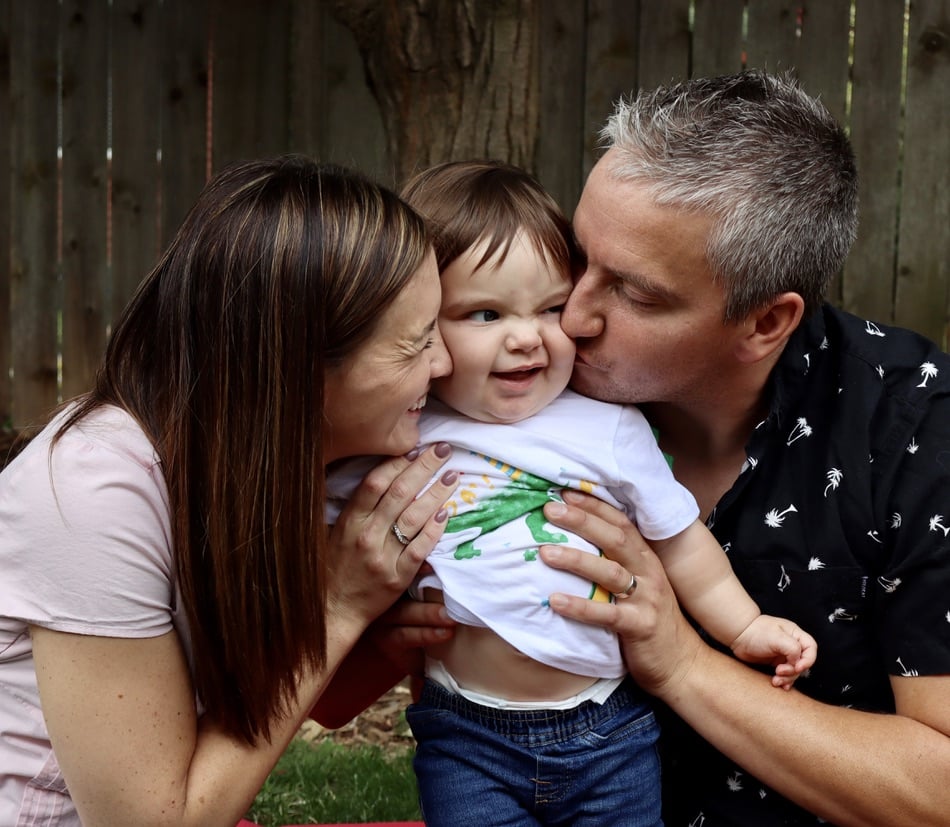
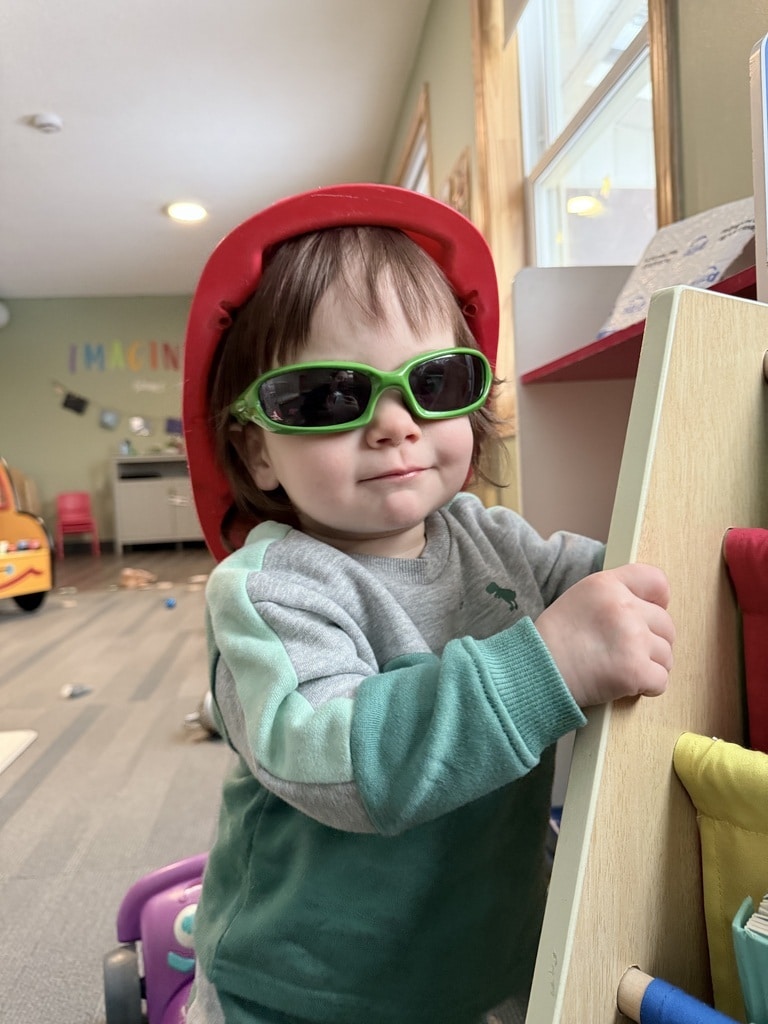
When Jacob Gordon barrels across the living room these days, there is no hesitation in him. He throws balls with wild toddler confidence. Climbs anything that looks remotely climbable. Stops only long enough to scoop up a book or feed the family dogs, Buddy and Marty. He is curious, goofy, sturdy on his feet — the kind of child who seems determined to explore every corner of the world before lunch.
At 18 months old, he is pure motion and joy.
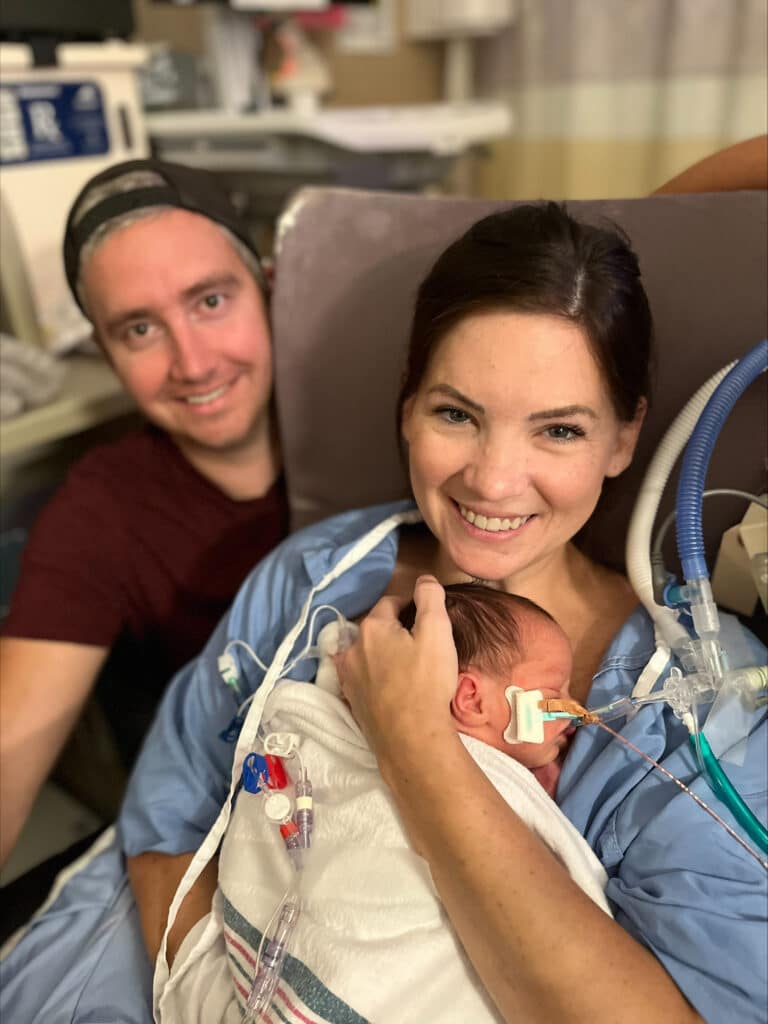
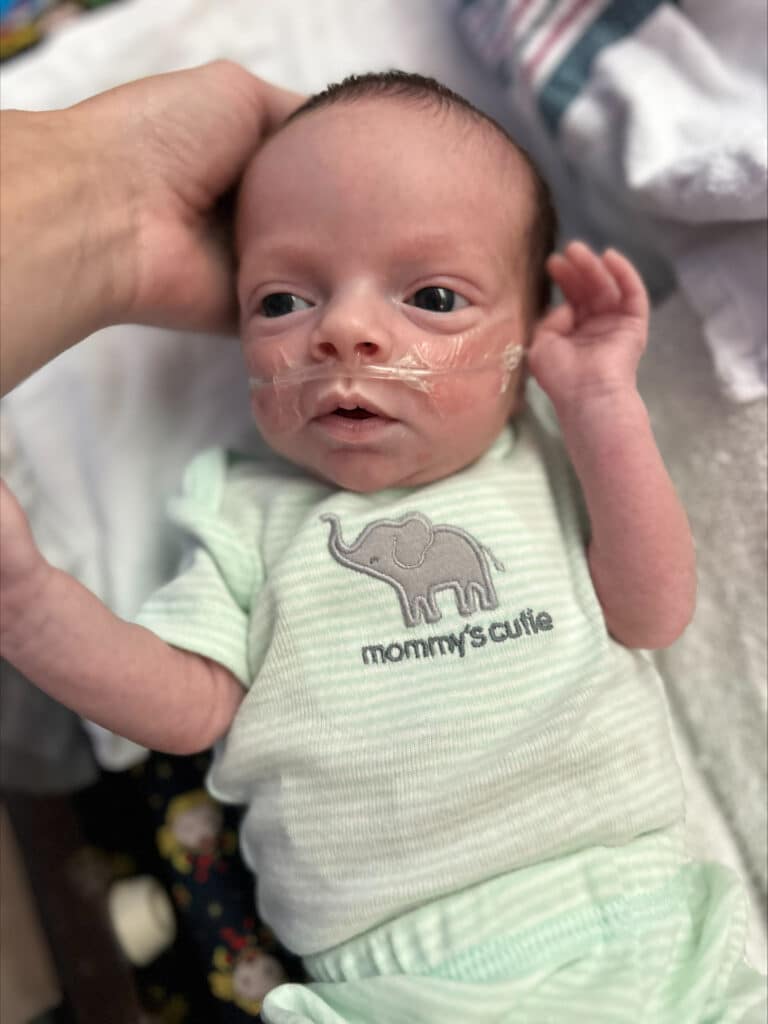
Looking at him now, you would never guess how quietly his life began. You would never guess that, for the first weeks after he was born, his parents couldn’t even hold him.
Stephanie and Blair still remember the soundscape of those days: monitors humming, carts rattling down the hallway, hushed conversations outside the Neonatal Intensive Care Unit.
Jacob had arrived early and fragile, needing round-the-clock care. For more than a month, the NICU became their entire world.
“We were overwhelmed,” Stephanie says. “Worried from moment to moment about his health.”
Everything they had imagined about new parenthood — late-night feedings at home, introducing him to family, settling into a rhythm — disappeared overnight. Life narrowed to one hospital room and the slow, careful work of waiting.
But when they look back now, something else rises to the surface.
Not just the fear.
The support.
“The doctors and nurses were honest and compassionate. They included us in everything,” Stephanie says. “Their calmness gave us strength when we felt scared.”
It didn’t look dramatic or life-changing at first glance. It wasn’t. It was softer than that. A quiet space. A hot coffee. A meal. A chair where you could finally sit down. Volunteers knitting tiny hats and blankets for NICU babies. Someone asking, gently, “How are you doing today?”
Small things. But when you have a baby in the NICU, small things are everything.
“When you’re living inside the hospital, it’s all-consuming,” Stephanie says. “The Family Room gave us a moment to step out of the constant worry and just exist for a few minutes.”
They met family there. Ate when they remembered they were hungry. Cried when they needed to. Regrouped.
“It reminded us that even though our first weeks as parents didn’t look the way we imagined, there were people who understood and were trying to make it just a little softer.” The volunteers became familiar faces. The space became routine. “It really felt like a home away from home,” Blair says. A place to gather strength — and then walk back down the hall to Jacob.
Today, Jacob is thriving.
He started walking a few months ago and, in true Jacob fashion, hasn’t slowed down since. He’s about to graduate to the toddler room at daycare. He cuddles up with books. Eats almost anything. Fills their days with laughter.
“We really believe his resilience started back then,” Stephanie says. “He learned to persevere from the very beginning.”
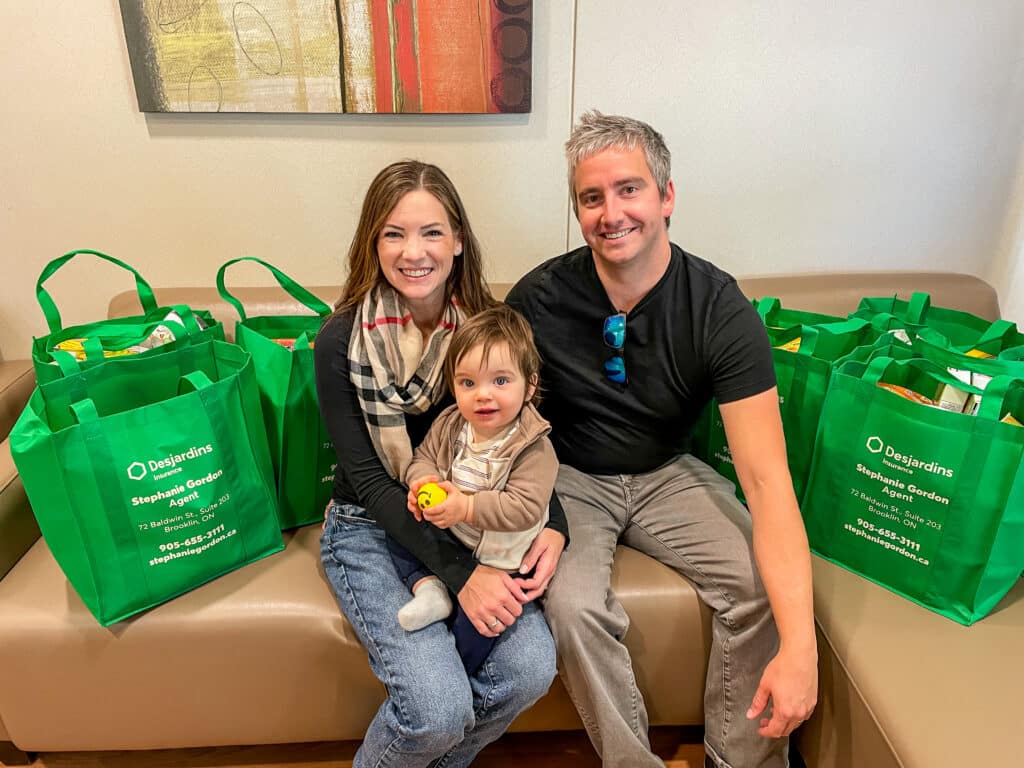
Recently, the Gordons came back to the hospital — not because they had to, but because they wanted to.
They stopped by the Ronald McDonald House Family Room with a donation.
This time, there were no anxious nights ahead. No machines. No uncertainty. Just a healthy toddler on their hip and a quiet pull to say thank you.
“It’s moving to see the space again from this side,” Stephanie says. “Coming back reminded us how much those small moments of peace truly mattered. That room held us together.” She pauses. “I honestly shudder to think what that experience would have been like without it.”
For more than 40 years, Ronald McDonald House Toronto has supported families with seriously ill children by providing a home-away-from-home during life’s hardest chapters. Today, that same care extends directly into hospitals through seven Ronald McDonald House Family Rooms across Ontario.
Because not every family can leave. Some can’t walk more than a few steps from their child’s bedside and for them, the hospital becomes home.
In 2025 alone, more than 4,000 families visited these Family Rooms nearly 69,000 times — stopping in for food, showers, rest, a quiet moment, or simply a place to sit that doesn’t feel clinical.
They aren’t extras. They are essential.
They help parents stay present. Communicate better with medical teams. Make clear decisions.
Show up stronger for their children.
They make impossible days survivable.
And sometimes — like the Gordons — families come back months or years later, carrying gratitude instead of fear.
When asked what she would say to the donors who make the Family Room possible, Stephanie doesn’t hesitate.
“Your generosity doesn’t just fund a room,” she says. “You’re supporting families during the most vulnerable moments of their lives. Those small comforts gave us the strength to be strong for our son. And that stays with us every day.”
Jacob, meanwhile, is trying to climb a chair. Laughing. Moving forward. Exactly where his parents hoped he’d be.
And just like that, a room that once helped them survive has become something else entirely: A place they return to, not because they need it anymore, but because they want someone else to have it too.