



Story
At Ronald McDonald House Toronto School, inclusive education begins before a student enters the room.
A physical education class at Ronald McDonald House Toronto School may include students using wheelchairs, students navigating medical equipment and students returning to physical activity following surgery or treatment.
Some children may need to avoid contact or pressure on certain parts of their bodies. Others may arrive with limited energy or uncertainty about how movement will feel in a body that has recently undergone significant change.
For teacher Zoe Webster, the question is not whether each student can participate. It is how to build the lesson so every student belongs in it from the beginning.
“For me, inclusive education here means much more than finding a way for a student to participate,” Zoe says. “It means creating an environment where every student feels that they were expected, welcomed and thought about before they even walked into the room.”
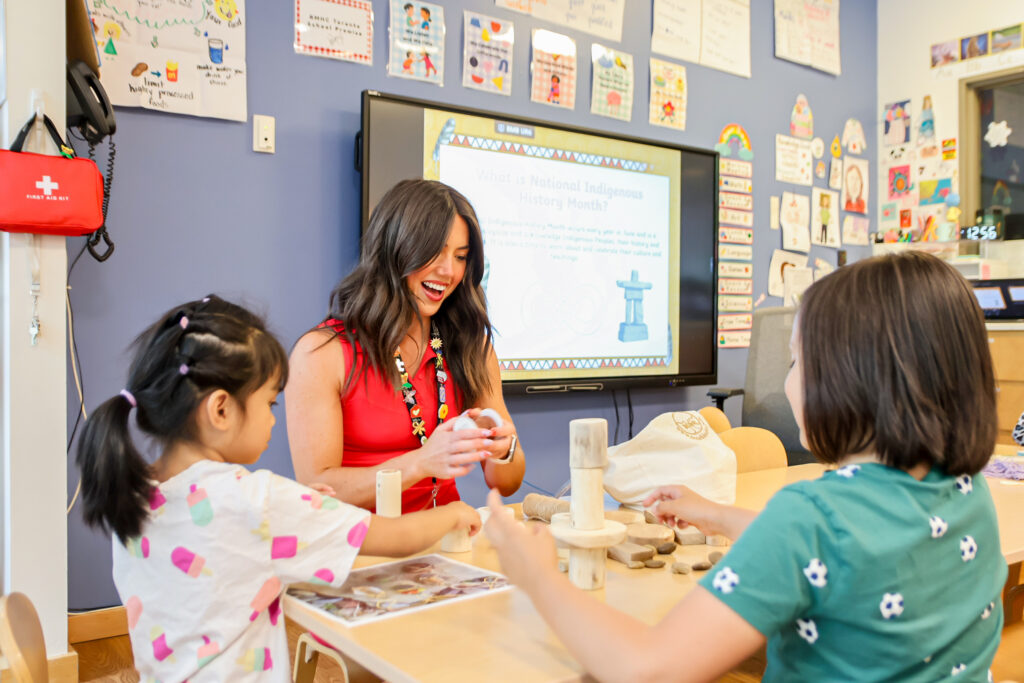
That requires careful planning, creativity and a willingness to adapt throughout the day.
Ronald McDonald House Toronto operates a private school for children staying at the House. Our programs include a JK–Grade 8 classroom, School Readiness for children ages two-and-a-half to four, and EASEL — Engaging Academic, Social and Emotional Learning — which offers individualized support for students from Kindergarten through Grade 12.
Students arrive from communities across Ontario and beyond. They bring different curricula, interests, strengths and learning needs. Some are receiving medical care; others are siblings whose lives and education have also been disrupted. They may attend the School for a matter of weeks or remain for much of the school year.
“Our classroom community is constantly changing,” Zoe says. “Each child arrives carrying their own backpack of experiences, strengths, needs, interests and perspectives.”
As the School’s Health and Physical Education teacher, Zoe considers how every lesson can be made safe, inclusive and accessible for the students who are there that day.
Planning begins with Universal Design for Learning, an approach that anticipates a range of needs from the outset. Lessons may incorporate no-touch activities, soft equipment and modified safety requirements. Educators also prepare students for what an activity will look and feel like before it begins.
That preparation can be particularly important for a child returning to physical activity after treatment or learning to move with new limitations.
“We have to be creative,” Zoe says.

The objective is not to make every student perform an activity in the same way. It is to give each student a meaningful way to participate while building skills, confidence and enjoyment of movement.
Gym classes emphasize cooperation rather than competition. They also include a calming area that any student can use at any time to take a break, regulate or simply be still.
The area includes soft materials, plush toys, fidget toys and free-play equipment. A student who needs time away from the main activity can remain part of the class without being expected to push through discomfort, fatigue or an overwhelming moment.
The same principles extend beyond the gym.
“When a child arrives at Ronald McDonald House Toronto, so much of their world may feel unfamiliar and uncertain,” Zoe says. “I want our School to be one place where they can simply be a kid.”
For Zoe, creating that environment begins with a question: How can I help this student know there is a space for them here?
Educators make an intentional effort to learn what each student enjoys, what makes them laugh and what sparks their curiosity. Then they bring those details into the classroom.
“A student might casually mention that they love Mario. Later that day, they may discover that their teacher created a Mario-themed bingo game during lunch for the class.”
The game itself is simple. What it communicates is significant: someone was listening. The student’s interests matter. There is room for who they are in this classroom.
“I want students to feel safe, valued and accepted for exactly who they are,” Zoe says.
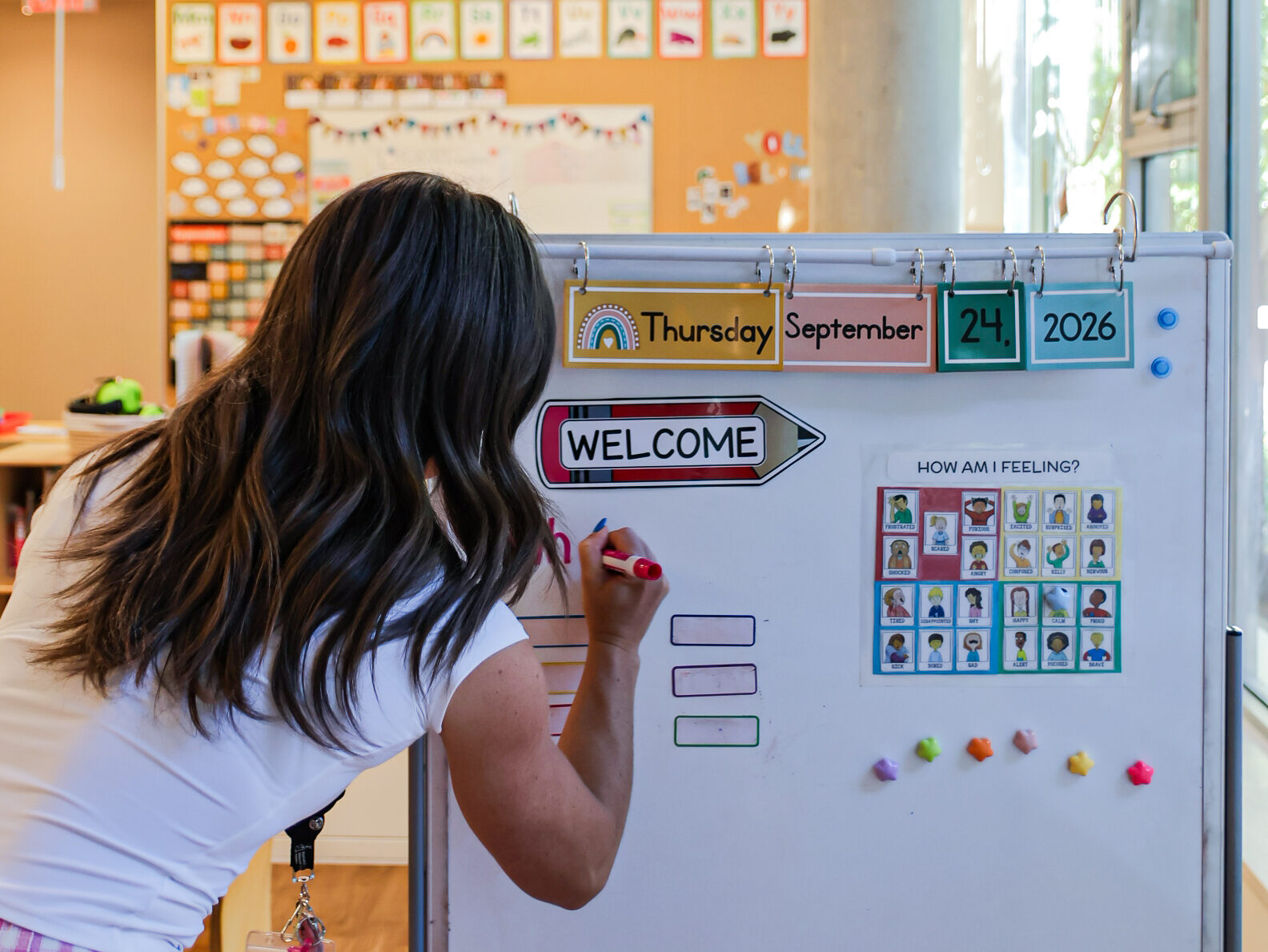
That includes creating space for students to express how they are really feeling.
Children may be carrying emotions they do not want to share at home because they know their parents are already managing a great deal. At School, they can speak, ask for support or take a break without feeling responsible for protecting anyone else.
“There is a significant emotional-support component to our role,” Zoe says. “We are supporting children and siblings as they navigate a part of life that most adults could never imagine having to experience.”
The School’s educators respond to those emotional needs alongside the practical realities of appointments, treatment schedules, changing energy levels and different lengths of stay. Plans may change. Lessons may need to move more slowly — or take a completely different direction.
The standard for success is not rigid consistency. It is whether the student can learn, participate and feel that they belong.
That distinction matters. A child should not have to arrive and then wait while adults determine how to include them. Their needs, interests and dignity should already be present in the way the classroom, lesson or activity has been designed.
At Ronald McDonald House Toronto School, inclusion is not an adjustment made after the fact. It is part of the plan from the beginning.
Now, donations to Ronald McDonald House Toronto’s Back-to-School campaign will be matched by Saputo, up to $40,000. Your gift helps provide responsive, individualized education for children receiving medical care and their siblings — so every student can arrive knowing there is a place for them.