



Story
How a mother builds magic for her medically fragile son at Ronald McDonald House Toronto
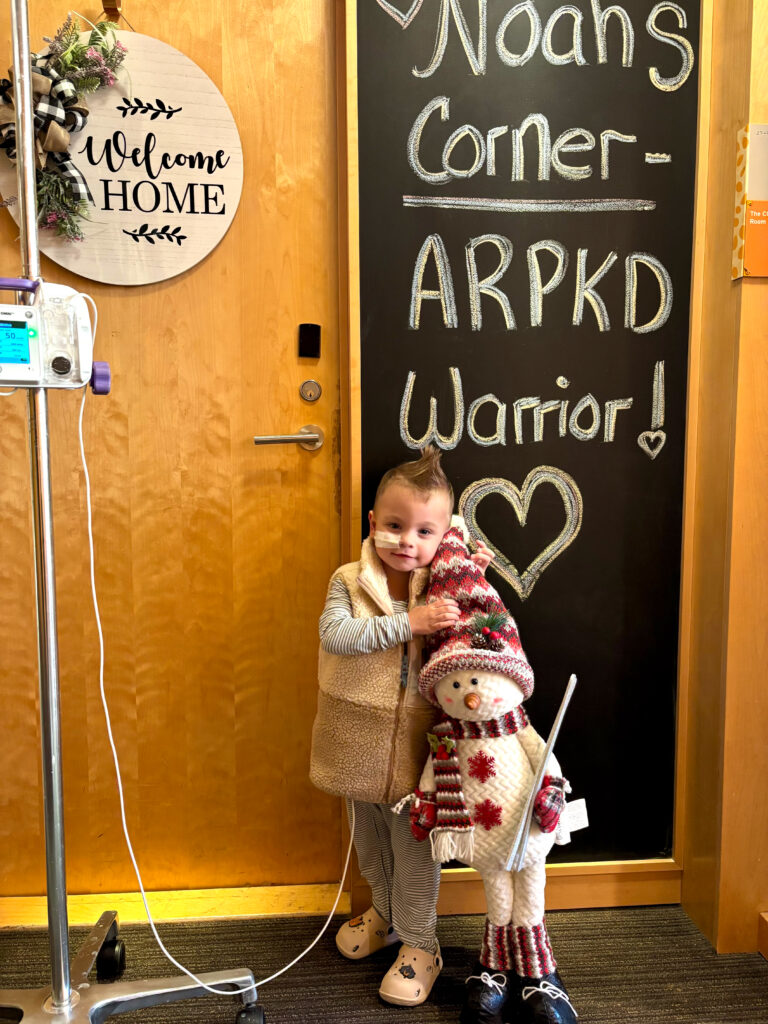
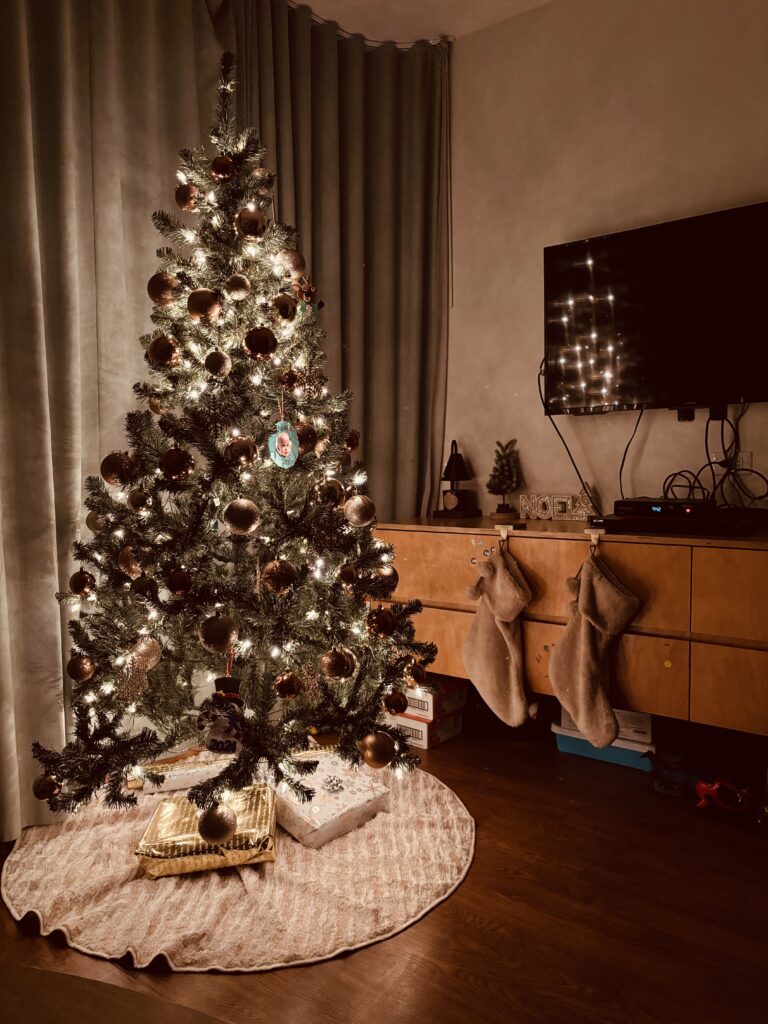
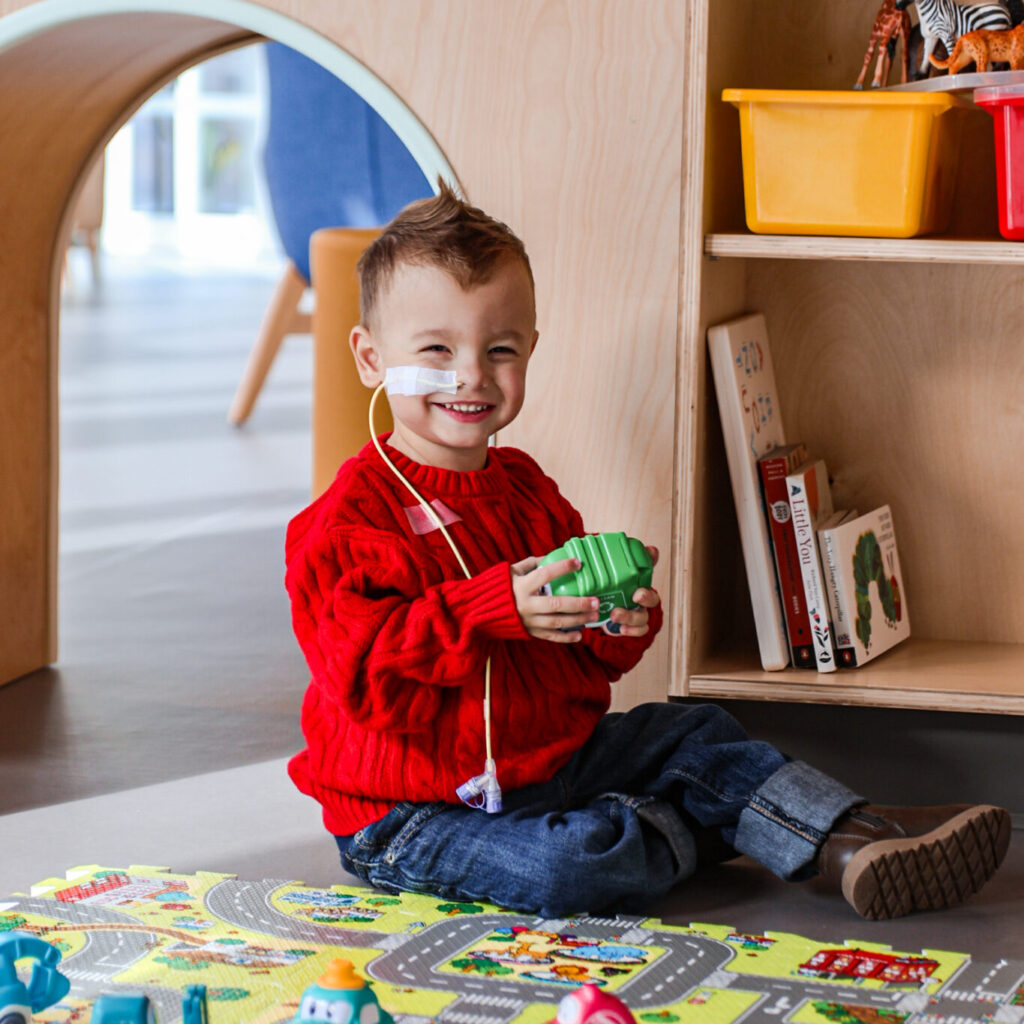
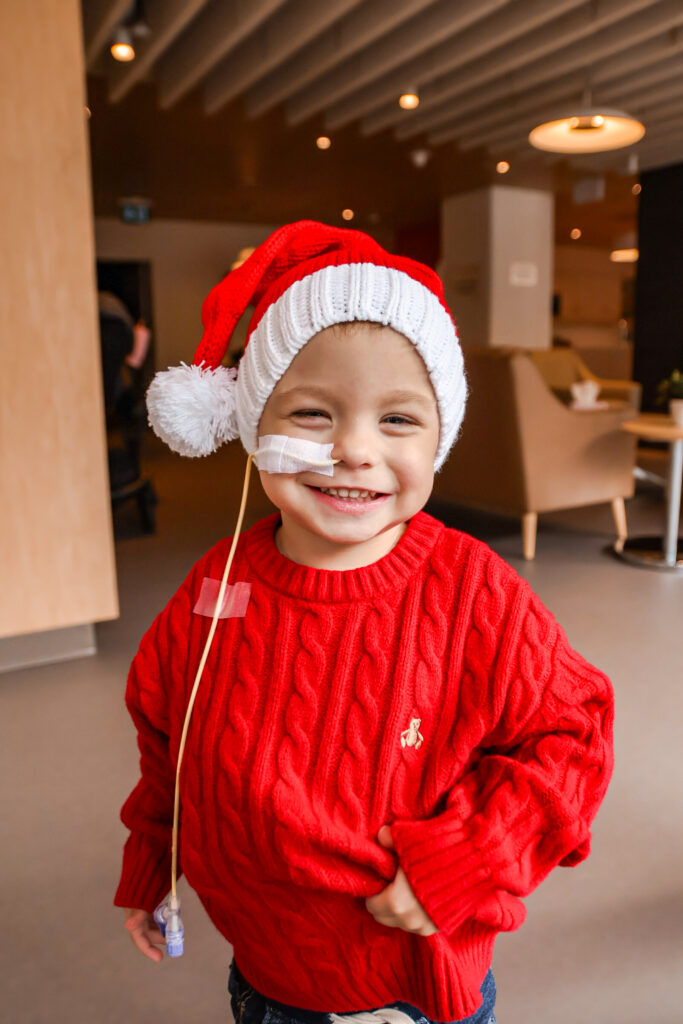
On the day after Halloween, while the rest of the city was still sweeping candy wrappers from sidewalks, Heidi was hauling a full-sized Christmas tree out from under a bed in her temporary apartment at Ronald McDonald House Toronto. She straightened the branches, plugged in the lights, and stepped back. Beside her, her three-year-old son, Noah — tiny, lively, with the soft face of a child who has spent far too much of his life tethered to machines — clapped his hands. The room glowed.
It was November 1st. They were right on schedule.
For most families, Christmas is stitched together over years of repetition: the same living room, the same ornaments unpacked from the same dusty boxes, the same rituals that reassure us that life, at least in small ways, is predictable. But for Heidi, Christmas has never been predictable. And for Noah, who has spent every holiday of his short life either hospitalized or living hundreds of kilometres from home, predictability is a luxury he has never known.
He was born in Timmins with autosomal recessive polycystic kidney disease — ARPKD — a rare and often fatal genetic condition that can enlarge a newborn’s kidneys so dramatically they crowd out the lungs. The disease also affects the liver, leading to serious and lifelong complications. Doctors did not expect him to survive. In three years, he has endured two kidney removals, countless procedures, and a daily rhythm dictated by dialysis. Survival has been hard-won. Childhood has been improvised. Christmas, always, has been reconstructed.
Heidi, though, refuses to let the fragility of life erase the wonder of it.
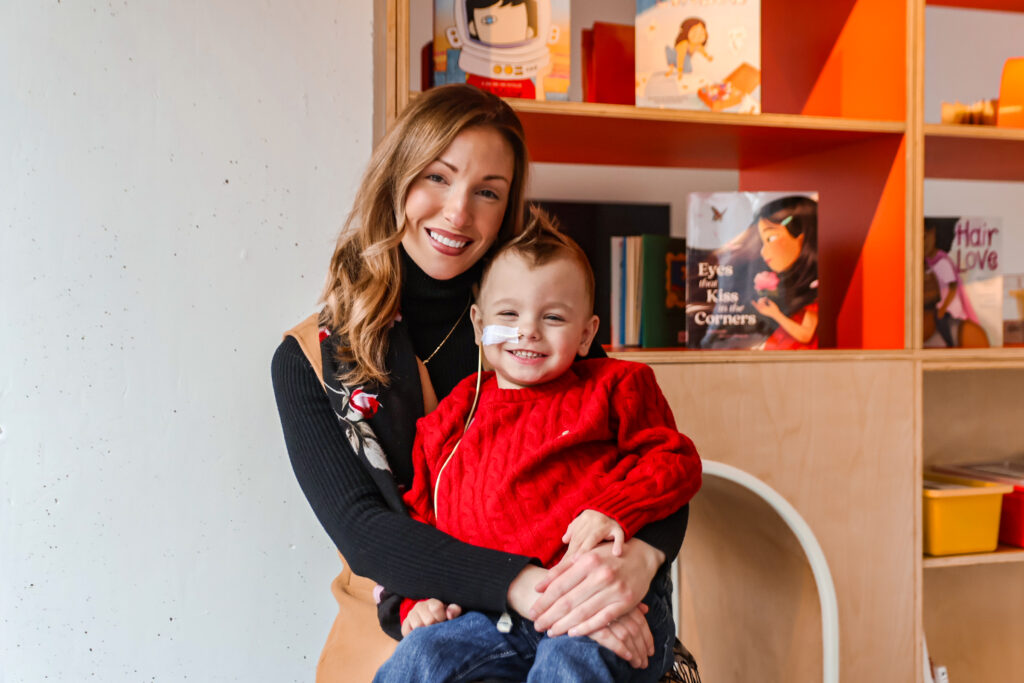
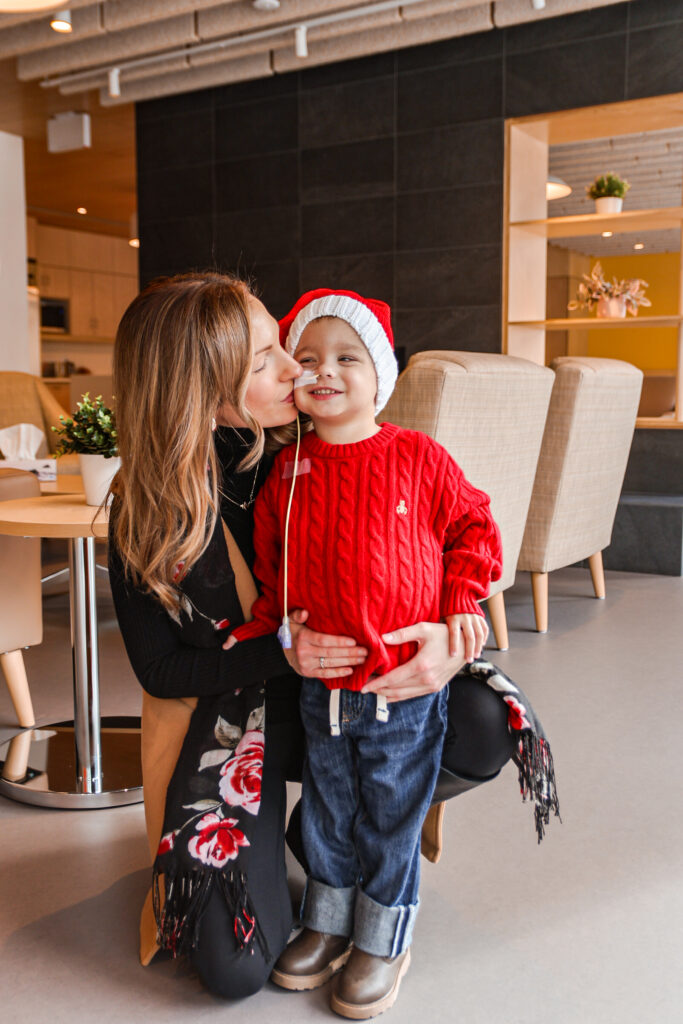
“I love Christmas,” she says with a bright smile that doesn’t entirely conceal the exhaustion beneath it. “I’ve never had a Christmas at home with him. Not once. We’ve always been in the hospital or staying here. But I do everything I can to make it feel like home.”
While she imagines a future holiday season marked by ease and certainty, this year, home is a cozy room just down the hall from the communal kitchen, where families from across the country stir pots of soup and make late-night cups of tea between hospital visits. For more than 40 years, Ronald McDonald House Toronto has been a lifeline for parents like Heidi — a place to stay close to the hospital, close to one another, and close to whatever fragments of ordinary life they can salvage while their child fights to get well. But for Heidi and Noah, it has become something deeper: the place where every Christmas memory they have exists.
Small Rituals, Stubborn Joy
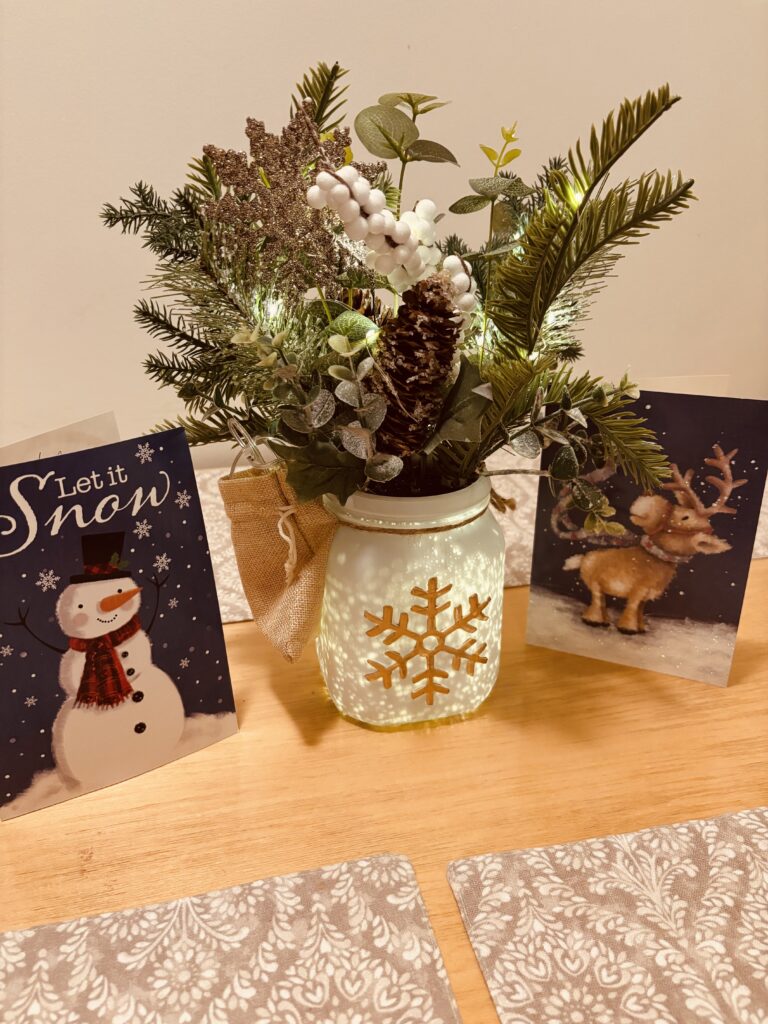
In their room, the Christmas tree twinkles beside a small advent calendar. There is a gingerbread kit on the counter waiting for tiny hands. A cheerful snowman stands guard at the doorway. In the window, festive gel clings spell out the season — the kinds of decorations most families stick up casually, but which for Heidi feel essential, defiant.
“It’s the little things,” she says. “Not the gifts. Just…the little things that make it feel like Christmas.”
They will bake cookies for Santa — la Veille de Noël, she notes proudly, slipping into French. They will leave carrots for the reindeer. They will wake on Christmas morning in matching pajamas. They will eat brunch, open gifts, and pretend, with aching determination, that this is what everyone’s December looks like.
Her sister and brother-in-law will drive down from Sturgeon Falls as they do every year, arms full of love, ready to sit at the long tables downstairs for the House’s Christmas dinner — a tradition that has become, as Heidi puts it, “the closest thing we have to being home.”
They will build snowmen in the courtyard. They will wander through Toronto to see lights. If her mother comes down with the car, they might even attempt a drive-through light display — a small luxury for a family without a vehicle in the city.
And at some point, as they always do, they will visit the Eaton Centre. Noah loves the towering Christmas tree, the giant reindeer glowing beneath the glass skylight. “He says, ‘Mama, mall!’” she laughs. “It’s a big thing for him.”
Three Christmases Away
In three years, Noah has never woken in his own bed on Christmas morning.
He has never padded down a familiar hallway.
Never seen the neighbourhood lights from the backseat of his parents’ car.
Never tugged on a snowsuit at the door of a house that is truly his.
But he does know the hallways of Ronald McDonald House Toronto. He knows the playroom and the courtyard. He knows the faces of staff and volunteers. He knows the sound of the communal kitchen, the warmth of the fireplace, the rhythm of a place where hundreds of families before him have tried, in their own ways, to hold themselves together.
“Noah probably thinks this is his home,” Heidi admits softly. “And honestly, it kind of is.”
She says it without bitterness — just the quiet acknowledgement of a truth she has lived for so long that it has become normal.
A Place to Stay Strong Together
For families navigating life-altering diagnoses, home becomes a concept rather than a place — something you carry in your bag, build on a borrowed shelf, or recreate with a pre-lit Christmas tree stored under a bed.
And that is the silent miracle of Ronald McDonald House Toronto: it gives families room to breathe, to rest, to stay together, and to reassemble the pieces of their lives while their children receive lifesaving care.
It gives them the ability to make traditions, even in a year when everything else feels impossible.
“It’s truly amazing,” Heidi says. “We try to make it as close to home as we can. And this place…it lets us do that.”
What Endures
On Christmas Eve, while city streets glitter and families gather in living rooms across the country, Heidi and Noah will be here — in a room filled with warmth and lights, in a House filled with families who understand each other without a single word spoken.
They will set out cookies and milk.
They will read Christmas stories.
They will hold each other in the soft, early-morning light of December 25th.
And when Noah wakes — little, resilient, impossibly brave — he will see a Christmas tree glowing against the window of the only home he has ever known at Christmastime.
There is heartbreak in that truth.
But there is beauty in it too.
A beauty created by a mother who refuses to let illness eclipse joy.
A beauty sustained by a House built to hold families through the unthinkable.
A beauty stitched together from small rituals, stubborn hope, and the unshakeable belief that even far from home, Christmas can be felt — deeply, fiercely, fully.
Because home, after all, is not a place.
It is the people we love, gathered close, refusing to let go.